Which fertiliser for your paddock?
Answer a few quick questions. Free, no sign‑up.
Find my fertiliser →Start with your crop
Wheat and barley
How much urea per hectare, and the nitrogen budget behind it.
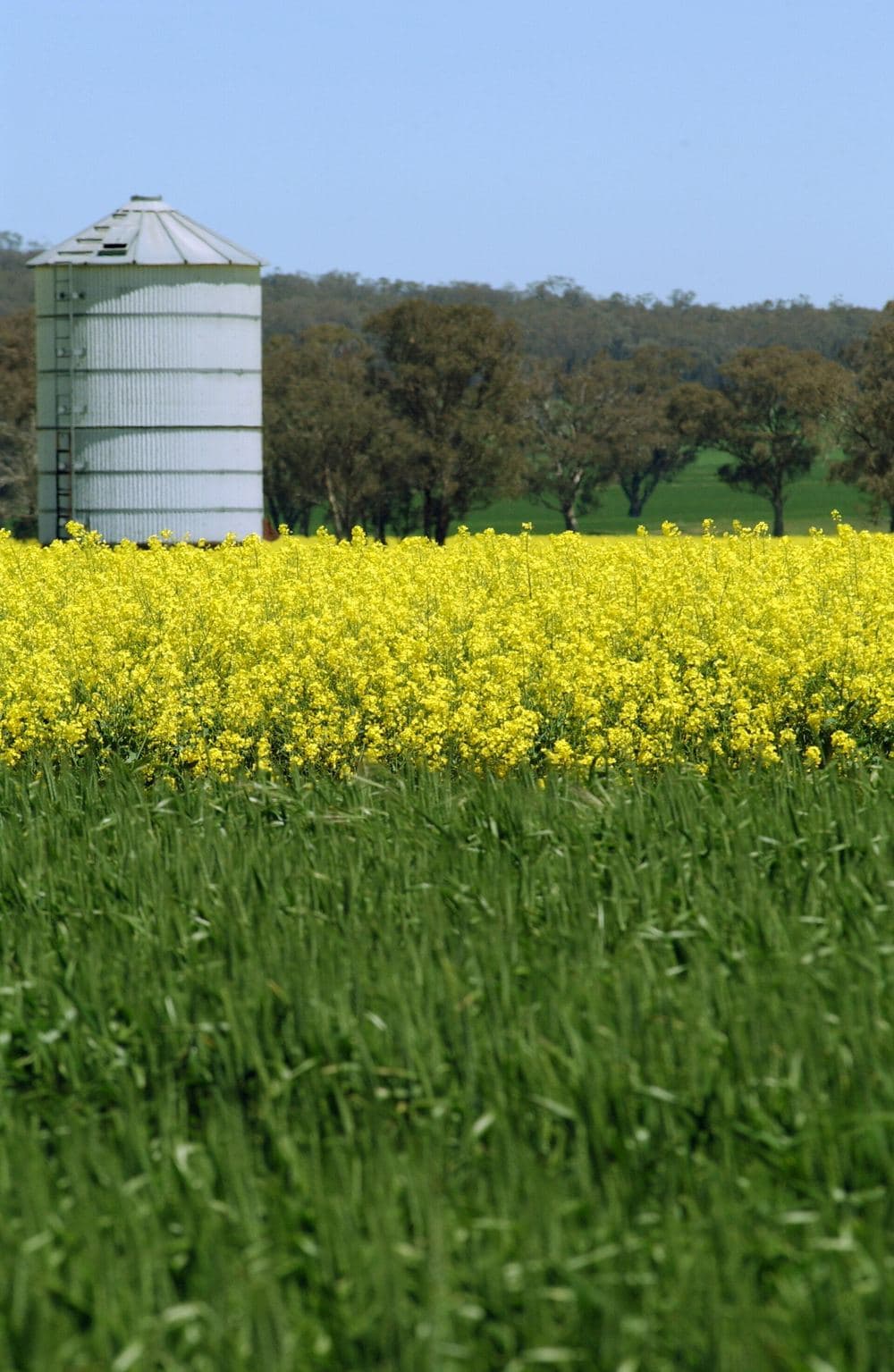
Canola
Canola needs about 80 kg N per t/ha. Try your yield in the calculator.
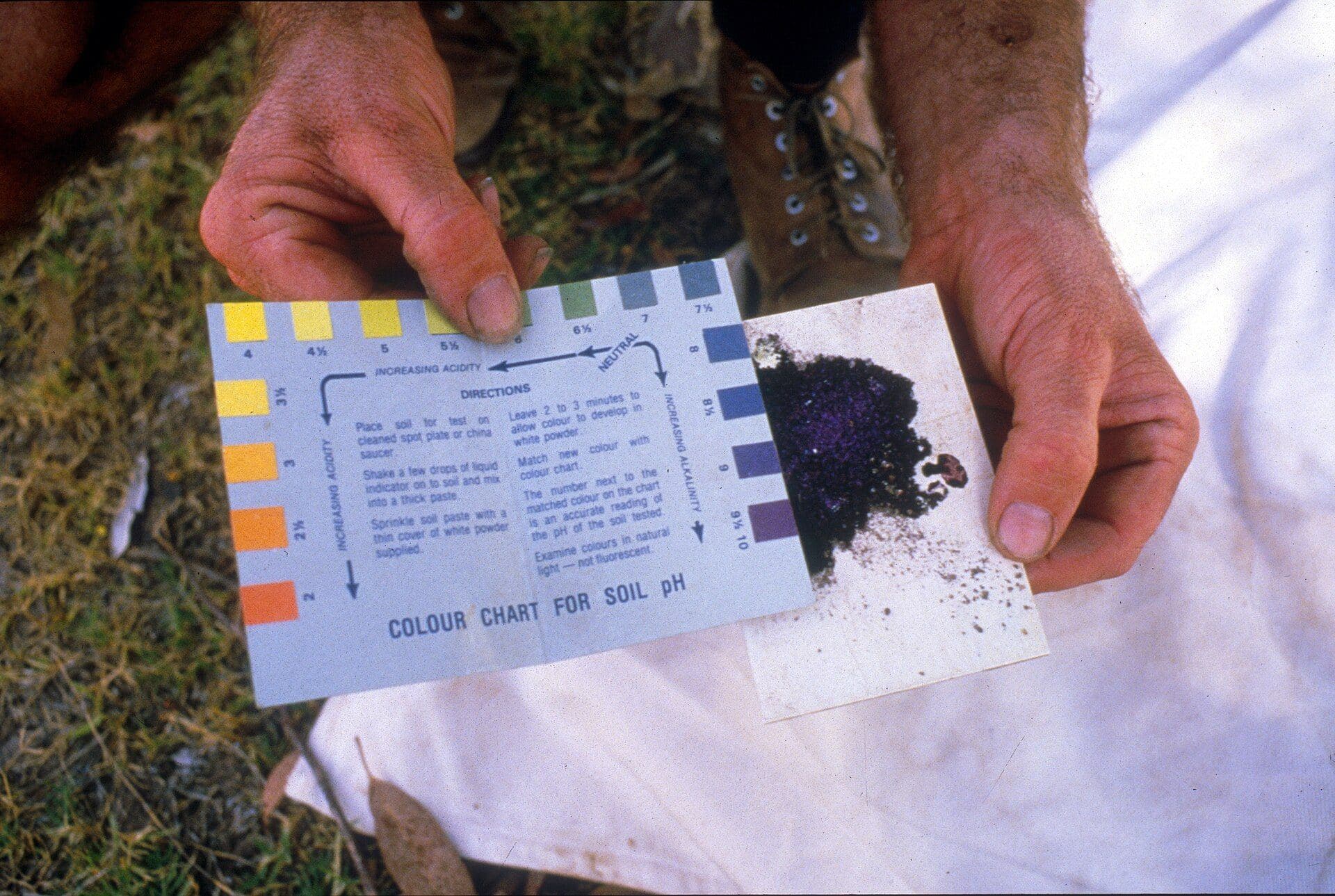
Soil tests
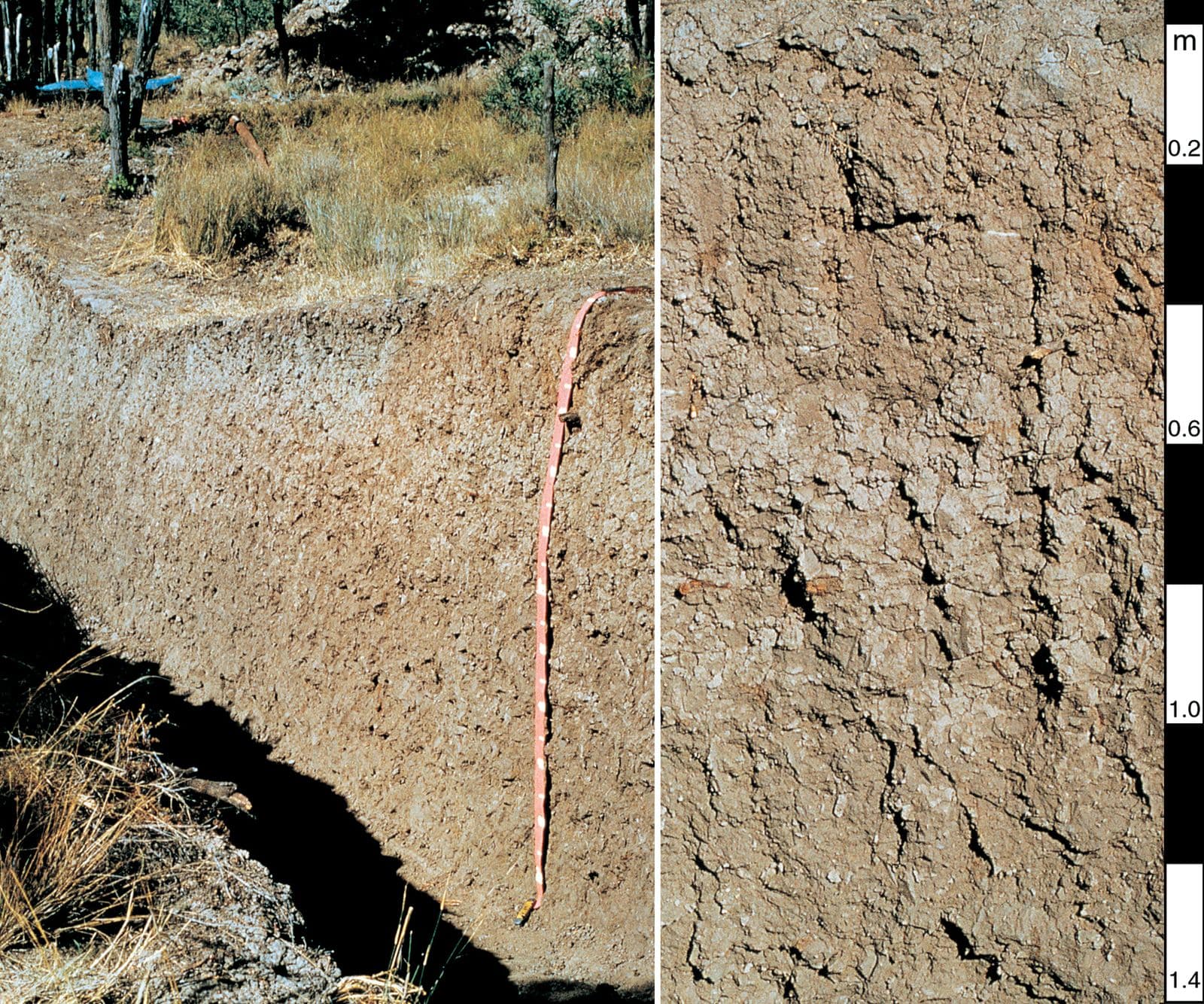
pH, phosphorus, potassium, sulphur and mineral N in plain English.
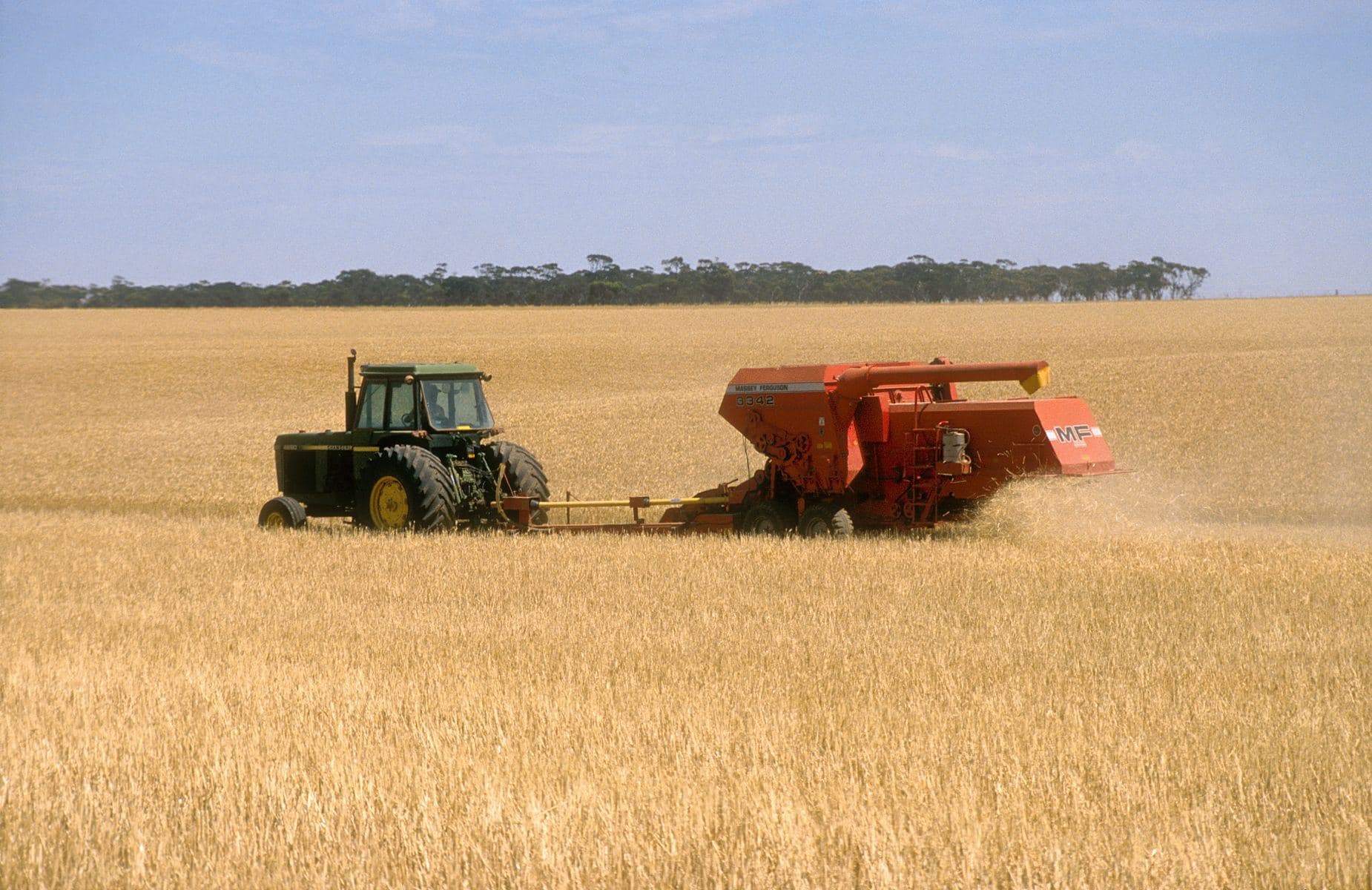
Losses and cost
How much nitrogen goes to the air, and what a kg of N really costs.
How it works
Step 1 of 3: Tell us about your paddock
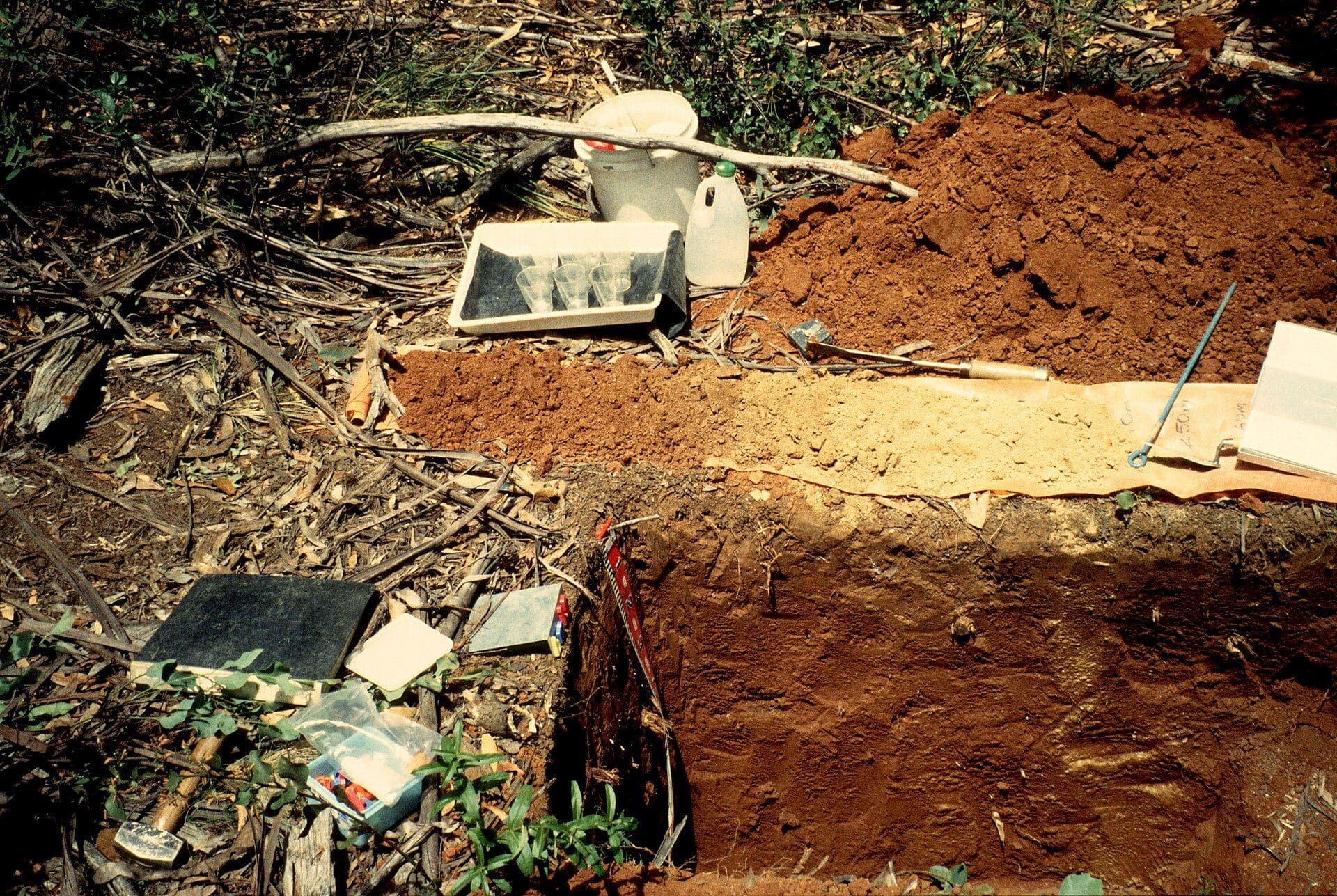
Pick your crop, soil and how you spread. Tap ‘Not sure’ if you don’t know: we’ll say what we assumed.
About 1 minute
Step 2 of 3: See ranked options
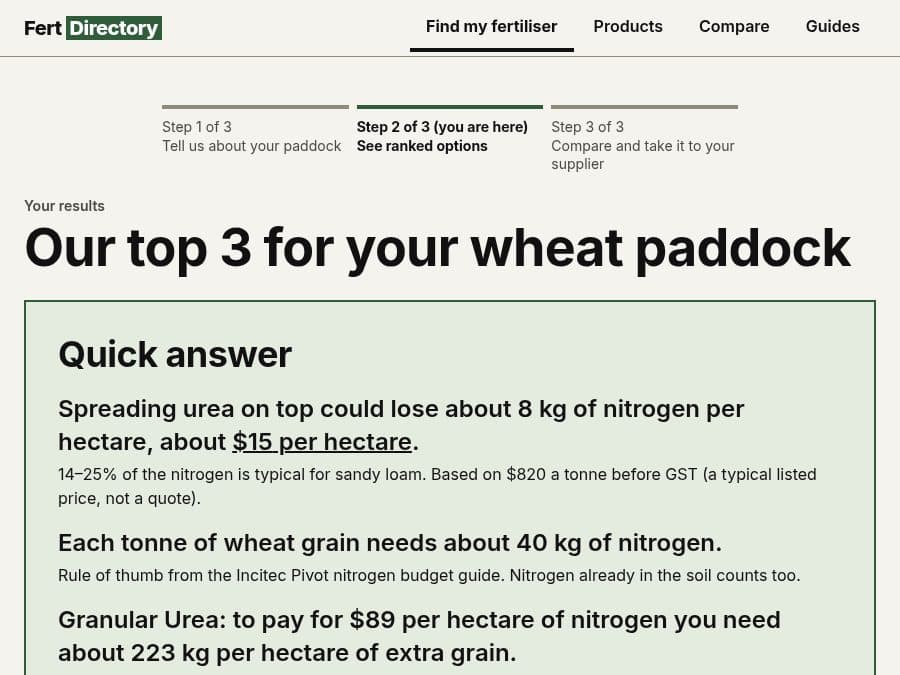
Screenshot of the results page. We rank nitrogen products for your soil by how much you’re expected to lose to the air, and show cost per hectare where we have a price.
Our top 3 shown
Step 3 of 3: Compare and take it to your supplier
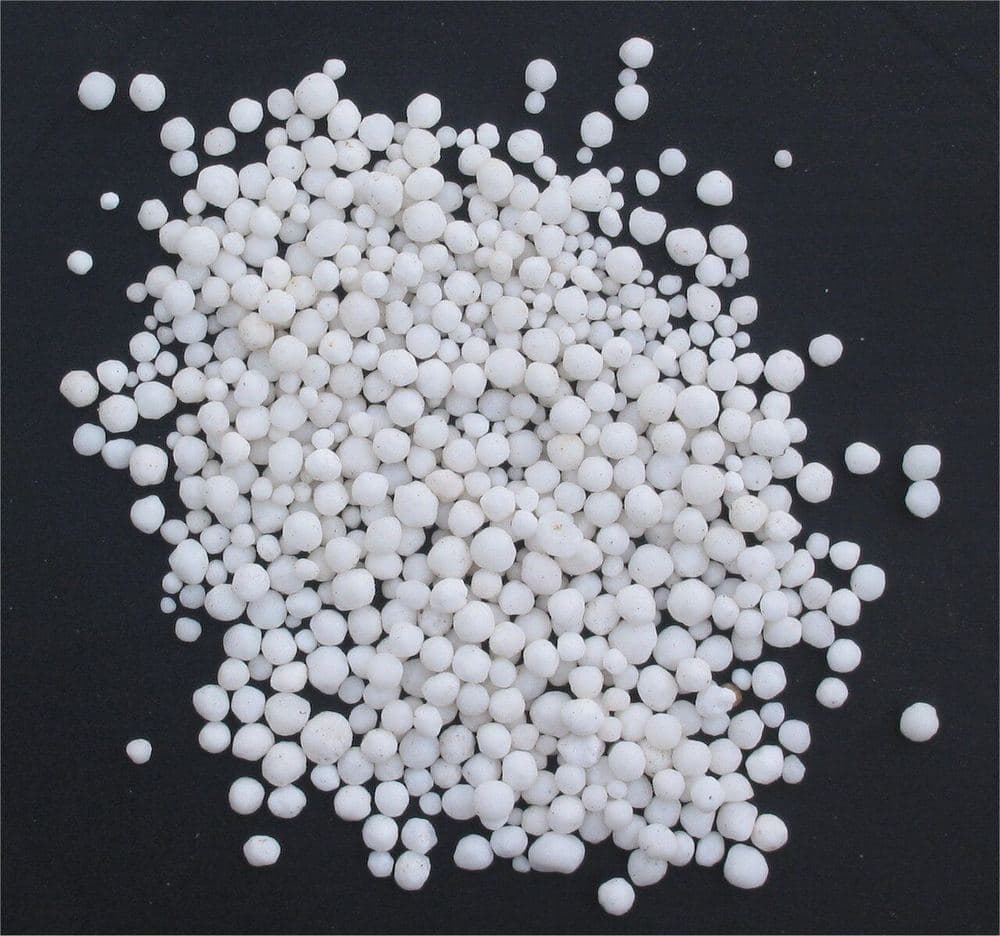
Put products side by side, check the sources, and talk to your agronomist or supplier. We don’t sell anything.
Up to 4 products
Where our numbers come from
Research and government





Manufacturers



Price listings

Logos belong to their owners. These organisations are cited as sources and are not partners of, or endorsing, Fert Directory.
Browse by product type
Compare before you call your supplier
Shown for comparison, not because anyone paid. Facts are the manufacturer’s published analysis; the cost figure is an indicative third-party listing and is blank where we have none.
Recent guides
Nitrogen
How much urea per hectare for wheat? A worked rule of thumb
About 40 kg N per t/ha of wheat yield, minus soil nitrogen, divided by 0.46. A worked urea example with the assumptions stated and the limits spelled out.
Updated 17 October 2026
Costs and prices
How to calculate the cost per kg of nitrogen (with examples)
Turn a price per tonne into dollars per kg of N with one formula, then adjust for N lost to the air. Worked table using 17 Oct 2026 urea listings.
Updated 17 October 2026
Soil testing
How to read a soil test: pH, phosphorus, potassium, sulphur and mineral N
Plain-English soil test basics: pH (water vs CaCl2), Olsen P, PBI, potassium, sulphur and mineral N, with Victorian pasture ranges and GRDC sampling tips.
Updated 17 October 2026
Across Australian paddocks
Why you can trust the numbers
Sponsor-blind
Nobody can pay to change a recommendation.
Sourced
Each product links to its published source.
Dated
Products last checked 2026-10-17.
Blank, not guessed
If we can’t verify a value, it stays “—”.
Sponsor-blind, sourced and dated: how we stay independent
We are not a shop and we don’t take payment to change a ranking. The ranking code never reads sponsor data, and the sponsored slot is switched off. 15 references sit behind our loss ranges and rules of thumb (11 read in full). Each product shows when it was last checked.
Read the methodologyQuick answers
How much urea per hectare for wheat?
A common Australian rule of thumb is about 40 kg of nitrogen per tonne per hectare of expected yield, counting soil and fertiliser together. Subtract the nitrogen in your soil test, then divide by 0.46 because urea is 46% N. For 3 t/ha with 40 kg N/ha in the soil, that is roughly 174 kg/ha of urea on those illustrative assumptions. Use the nitrogen calculator with your own numbers.
How much nitrogen does surface-applied urea lose?
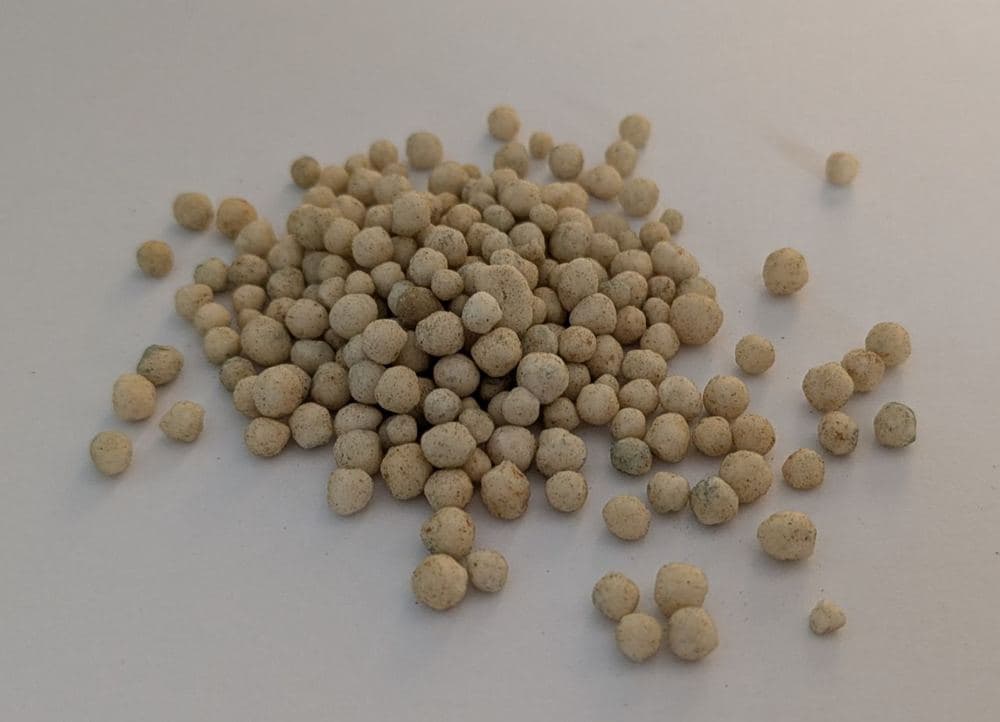
In a national GRDC project across 21 Australian sites the median loss was 8% of applied nitrogen, with a range of 0% to 48%. Losses are higher on low-CEC soils and when wet soil is followed by dry, windy weather without rain, and much lower when urea is drilled into the soil.
Do sponsors affect your recommendations?
No. The recommendation engine does not read sponsor data. A sponsored slot exists in the code but is switched off; if it is ever enabled it will be labelled “Sponsored” and kept separate.
Where do your prices come from?
We have no price feed. The only prices on the site are third-party asking prices for urea and sulphate of ammonia read from one public listing on 17 October 2026. They are ex GST, indicative and not quotes. Where we have no verified price we leave it blank.
Is this agronomic advice?
No. It is general information compiled from published sources. Always check with your agronomist before acting, and read the current label and safety data sheet.
Is Fert Directory free?
Yes. It is free to use with no sign-up, and the calculators run in your browser.
Get new guides by email
Email updates are being set up. In the meantime you can follow new guides by RSS.
See the privacy policy (draft).